CEYLON TEA
Ceylon Tea: A Journey Through Sri Lanka's Fragrant Highlands
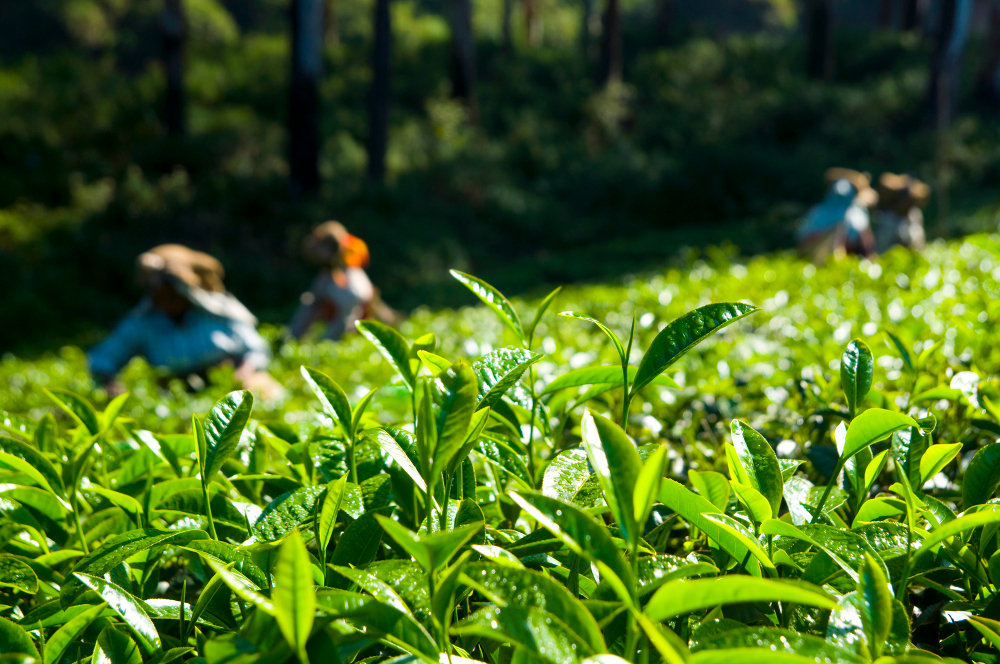
There are few pleasures in travel more complete than the first sip of freshly brewed Ceylon tea on a mist-covered estate in the highlands of Nuwara Eliya — the still-warm liquid in the delicate cup, the steam carrying the complex fragrance of floral, muscatel, and barely perceptible citrus notes, the view across endless rows of precisely manicured tea stretching to forest-clad hillsides below.
The History of Ceylon Tea
Sri Lanka’s tea story begins with an accident. In the 1860s, a catastrophic fungal disease called coffee rust devastated the island’s vast coffee plantations. Into the crisis stepped James Taylor, a young Scottish planter experimenting with tea cultivation at Loolecondera. By 1872, his tea won a prize at a London exhibition. Within two decades, tea had replaced coffee across the highlands, and “Ceylon tea” had become the most prestigious appellation in the global tea trade.
“The difference between a Silver Tips from Nuwara Eliya and a supermarket tea bag is not merely a matter of quality — it is as if they come from entirely different plants.”
Understanding Ceylon Tea Grades
Ceylon tea is categorised primarily by altitude. High-grown teas (above 1,200 metres), produced mainly around Nuwara Eliya and Dimbula, are the most prized: lighter in colour, delicate in aroma, with characteristic brisk freshness and complex floral top notes. Mid-country teas are fuller-bodied and richer. Low-grown teas are robust and perfect for milk tea.
The Making of Tea
Inside a working highland factory, the full Orthodox method unfolds: withering, rolling, fermentation, firing, sorting, and grading. The smell inside a working tea factory — layers of grassy freshness, fermentation, and toasting — is unlike anything else on earth, deeply and primally satisfying.