BEACHES
Hidden Beaches of Sri Lanka: Beyond the Guidebooks
Sri Lankan cuisine is one of Asia’s great underappreciated culinary traditions — too often dismissed as merely a variant of South Indian food, but in reality a deeply distinctive cooking culture with its own unique techniques, ingredients, spice blends, and dishes found nowhere else in the world.
Rice & Curry: The Heart of Sri Lankan Food
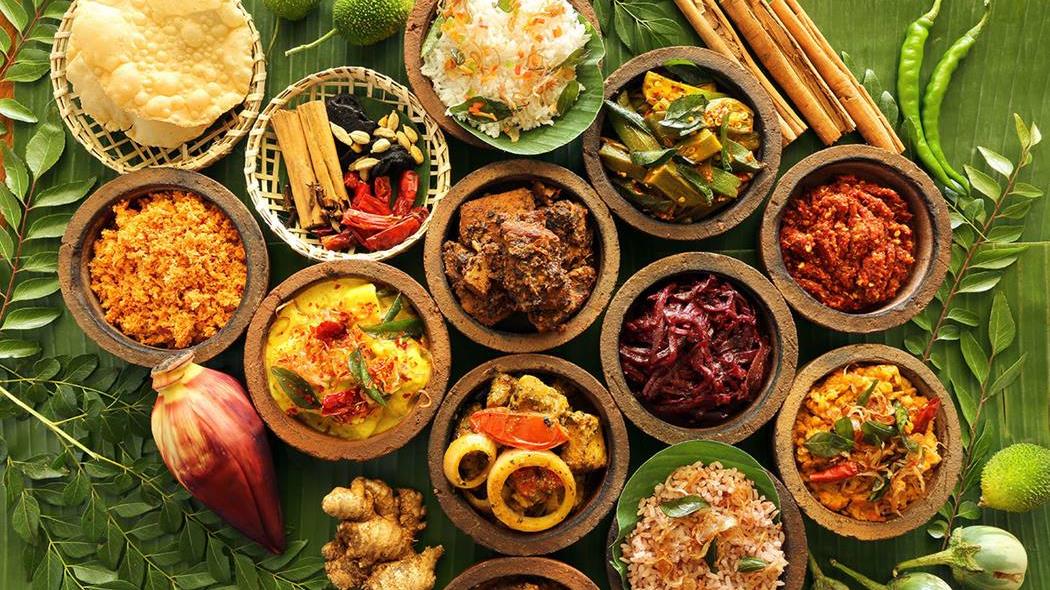
The national meal is rice and curry — but to describe it thus is like describing a symphony as “sounds”. A proper Sri Lankan rice and curry meal is a complex, balanced, deeply considered composition: white rice surrounded by an array of curry preparations, with each component contrasting and complementing the others in a way unique to each sitting.
Hoppers: The Breakfast Revelation
Sri Lanka’s greatest contribution to world breakfast culture is the hopper (appa) — a crisp, bowl-shaped crepe made from a fermented rice flour and coconut milk batter. The edges are crackingly crisp; the base is soft and redolent with complex fermented sourness. Egg hoppers, served with coconut sambol and lunu miris, are one of the great Asian breakfasts.
“My first egg hopper at a roadside kade in Colombo, eaten at 7am with a small cup of very sweet, very strong Ceylon tea, was one of the best breakfasts of my life.”
The Spice Philosophy
Sri Lankan cooking is defined by the extraordinary complexity achieved through its characteristic spice blends. The judicious use of goraka, pandan leaves, rampe, and lemon grass creates flavour profiles that are unmistakably Sri Lankan and quite unlike anything else in the culinary world.